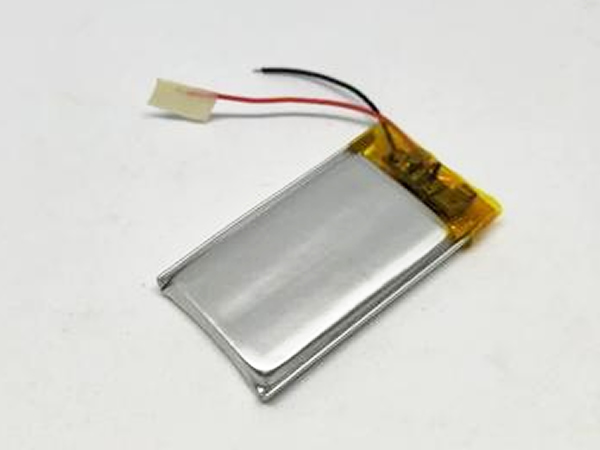
After experiencing the nightmare of a large-scale recall of laptop batteries, Sony Corporation in Japan is eager to announce that safer lithium polymer battery technology will be adopted in the manufacturing of related products. The head of the electronics department of the company recently stated that "after the incident of lithium-ion battery technology, Sony is more willing to adopt safer and more advanced lithium technology in batteries. Lithium polymer battery technology may replace the current lithium-ion battery technology used. Sony, Dell, Apple, Lenovo, Toshiba, and all other OEM manufacturers affected by the recall of batteries are very interested in the lithium polymer battery technology under development. ”
In the second half of this year, Sony's laptop batteries encountered a large-scale global recall of nearly ten million batteries. The battery recall incident was caused by a malfunction of lithium-ion batteries, which can lead to laptop battery fires and explosions.
Lithium polymer batteries are not as dangerous as lithium-ion batteries. The design of old-fashioned lithium-ion batteries requires carrying lithium elements in an organic material and being packaged in a metal box. If this box leaks, it will cause very unstable situations. And lithium polymer stores lithium in a solid polymer, which is much more stable than lithium-ion technology.
Another advantage of lithium polymer batteries is that manufacturers can produce batteries of various shapes that are suitable for electronic component sizes, unlike lithium-ion batteries that are packaged in metal boxes. In addition, due to the absence of metal encapsulation, lithium polymer batteries will be lighter and smaller. Under the same energy density, lithium polymer batteries can be 20% smaller in volume than lithium-ion batteries. Currently, Apple computers in the United States have started using lithium polymer batteries in their laptops.





 Follow Us
 18924628402
 E-mail
