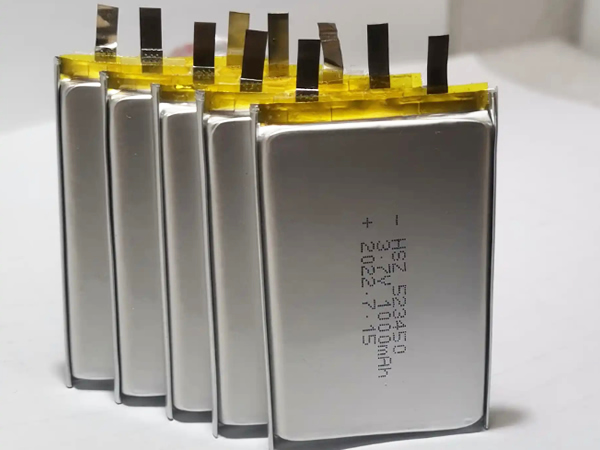
The first mandatory standard for lithium-ion batteries in China, GB31241-2014 "Safety Requirements for Lithium ion Batteries and Battery Packs for Portable Electronic Products", was officially implemented on August 1, 2015. A total of 46 testing requirements, known as the strictest and most comprehensive lithium battery standard in the world. The introduction of this standard means that the country has sounded the horn of comprehensively rectifying the battery industry. After implementation, all portable electronic products sold domestically must meet the requirements of this national standard for lithium-ion batteries.
The quality of lithium-ion batteries is worrying, and safety issues occur frequently
Compared with other rechargeable batteries, lithium-ion batteries have the advantages of high voltage, high specific energy, long charge and discharge life, no memory effect, no pollution, fast charging, low self discharge rate, etc. They entered the market in 1991 and quickly gained the favor of consumers. They are widely used in products closely related to people's lives, such as mobile power banks (mobile phones), power banks (power banks), laptops, digital cameras, etc. The battery is a key component of all digital devices, not only related to battery life, but also the key to the safety of the entire device. There have been numerous incidents of lithium-ion batteries overheating, catching fire, and even exploding. This phenomenon is no longer limited to counterfeit electronic products, but also involves products from well-known domestic and foreign brand companies. Lithium batteries can cause overheating, expansion, deformation, and even lead to fires, unexplained explosions, flight delays, etc., posing great challenges to people's daily lives and travel.
Industry standards are urgently needed, national standards are guarding and waiting to be seen
In recent years, due to the low threshold of the battery manufacturing industry and increasing competition, there are serious violations behind the fiercely competitive market. According to industry insiders, there is a significant gap in the materials used by different manufacturers for battery cells and circuit boards. Counterfeit manufacturers even directly purchase inferior battery cells and circuit boards, and then assemble them into batteries. In addition, the capacity is falsely labeled, making it difficult to guarantee product quality and relying solely on corporate self-discipline. Despite frequent product quality issues, consumers and even some businesses find it difficult to protect themselves. The main reason for this is the lack of national standards, which leads to consumers having no basis for problems and no way to claim compensation in specific use. Only the implementation of national mandatory standards can truly play an important role in regulating production behavior, improving product quality, safeguarding consumer rights and personal and property safety. The introduction of the GB 31241-2014 standard will inevitably lead to a reshuffle in the industry, undoubtedly playing a regulatory role in the entire lithium battery market from a safety perspective. Some non compliant manufacturers and their products will be eliminated, and the power of corporate brands will begin to emerge in the market. Companies without brands are no longer able to establish themselves in this industry, and the pursuit of quality and safety will become increasingly sought after by consumers. Although the cost of testing will temporarily increase, ultimately, companies based on brands will benefit from it. We have reason to believe that with the protection of this national standard in the future, the brand concentration of the entire lithium battery market will gradually increase, eliminating counterfeits and retaining authenticity. In many years, Chinese made batteries are expected to surpass Japan and South Korea and become the safest and highest quality batteries in the world.





 Follow Us
 18924628402
 E-mail
